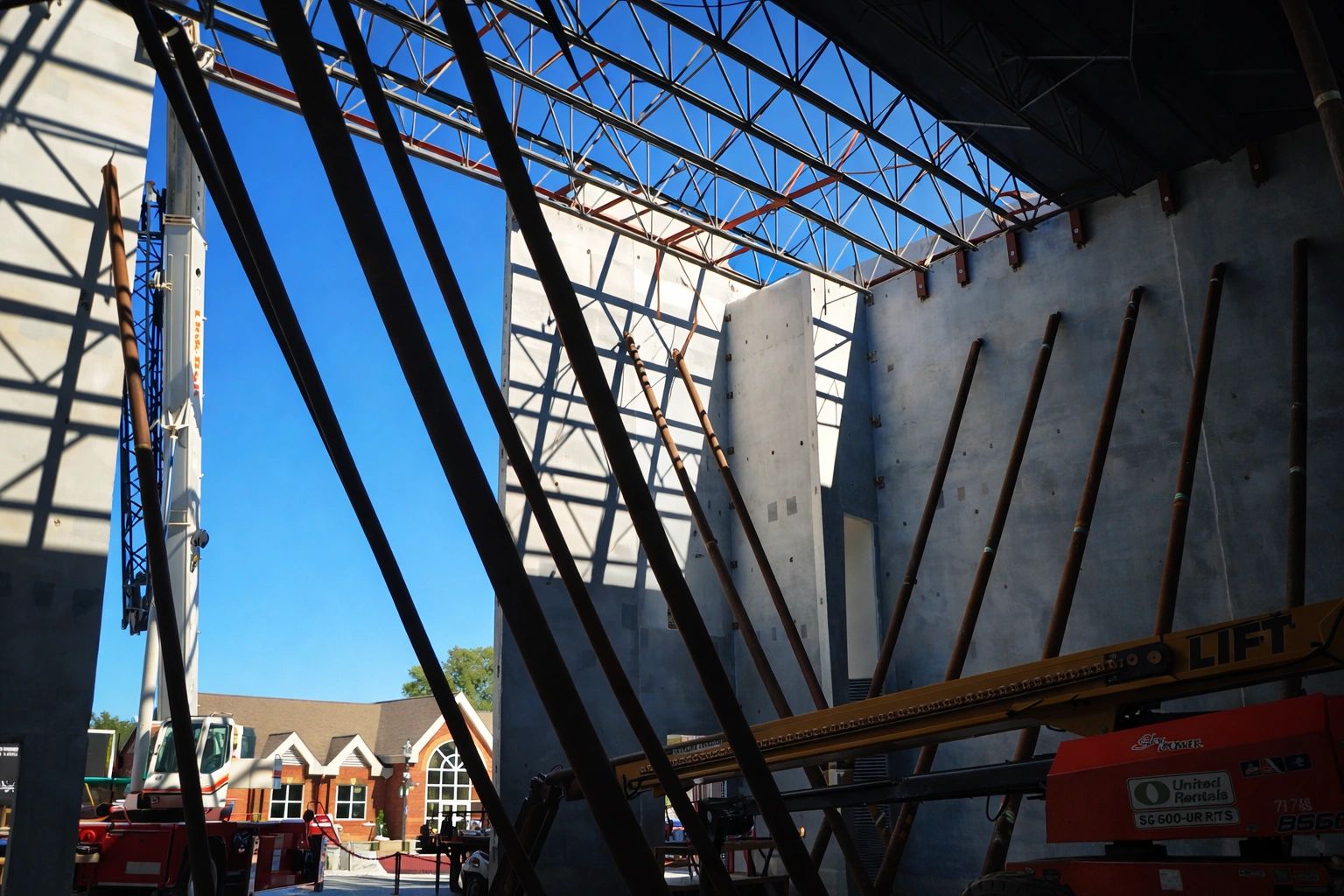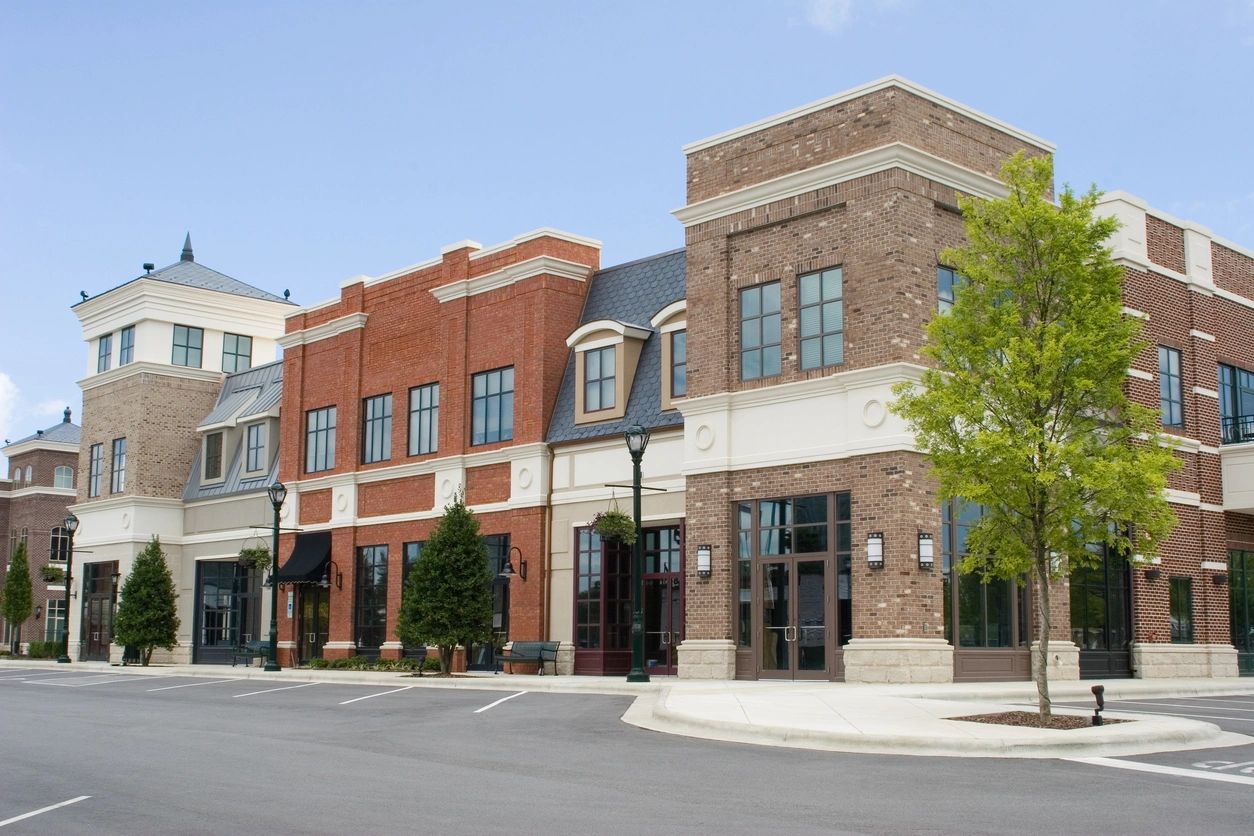
By the time a construction project reaches closeout, the team is focused on punch-list work, final inspections, turnover documents, training, and owner acceptance. Photography can become an afterthought.
That often leads to a rushed set of images taken after trailers are moving, temporary items remain in view, or landscaping and final cleaning are not ready. The project may be complete, but the photos do not communicate that clearly.
A planned closeout photo package creates a useful final visual record. It can support the owner’s archive, internal project review, approved marketing, proposals, recruiting, and future reference. The content should be defined before the final visit so the team knows what “finished” needs to include.
Start with the purpose of the package
Closeout photography may serve several audiences, but each one needs something different.
The owner may want a clear record of the completed property. The contractor may need project-history images, proposal material, or visuals for an internal presentation. The developer may want images that explain the site and finished asset. The project team may need to compare final conditions with earlier progress visits.
Before the shoot, decide:
- Who will receive the files?
- Are the images for documentation, marketing, or both?
- Which areas and features matter most?
- Are there restrictions on publication or sharing?
- Does the team need aerial, ground, interior, video, or a combination?
- What is the final delivery deadline?
These answers determine the shot plan and prevent important views from being missed.
Final aerial overview
A closeout package should usually include wide aerial views that explain the completed property as a whole.
Depending on the site and approved scope, this may include:
- The building and full property
- Primary approaches and access roads
- Parking, sidewalks, and exterior circulation
- Landscaping and finished sitework
- Stormwater or drainage features visible from the air
- Connections to surrounding roads and neighboring development
- Several building elevations from useful angles
- A straight-down view when it adds meaningful context
These images are particularly useful when someone reviewing the project was not present during construction.
Repeatable before-and-after viewpoints
If the project was photographed during pre-construction and progress, repeat selected earlier viewpoints at closeout.
Before-and-after pairs make the transformation immediately understandable. They can show the original site, major phases of work, and finished property without requiring a long explanation. This can be valuable for internal lessons learned, owner presentations, proposals, and approved company storytelling.
Exact duplication may not always be possible because the site, landscaping, structures, airspace, or safe flight position has changed. Consistent orientation is usually more important than forcing an identical frame.
Ground-level exterior coverage
Aerial images provide scale and context, but they may not show the experience of approaching or using the finished building.
Ground-level exterior photography can capture:
- Main entrances and signage
- Important facade materials and details
- Pedestrian approaches
- Loading, service, or operational areas when relevant
- Outdoor amenities
- Completed paving and landscaping
- Features that distinguish the project
Schedule these images after final cleaning and when temporary items no longer distract from the finished work, if the project timeline allows.
Interior and detail images
For projects with significant interior work, the closeout plan may include key rooms, public spaces, operational areas, and selected details. The list should be based on the project’s goals, not an attempt to photograph every room without purpose.
Interior coverage may include primary public spaces, representative work areas, specialty rooms when approved, architectural finishes, branded features, and views that show how major spaces connect. Access, privacy, security, and publication restrictions should be confirmed before capture.
An organized final delivery
The package is only useful if the team can find and use the files later.
A practical delivery may include:
- High-resolution final images
- Web-ready selections for presentations and approved online use
- Separate aerial, ground, interior, and video folders
- Project name and capture date in the folder structure
- Descriptive file names or an agreed numbering system
- Clear separation between documentation images and polished marketing selections
If photography occurred throughout construction, the final visit should fit the same archive structure as earlier progress folders. That preserves a complete visual timeline rather than creating an isolated set of completion photos.
Confirm usage and publication permission
A contractor, owner, designer, and photographer may have different interests in how project images are used. Do not assume that every closeout image can be published.
Confirm who may use the images, where they may appear, and whether client, tenant, employee, security, or project information needs to remain private. Marketing selections should be reviewed under the permissions and agreements that apply to the project.
Schedule the final visit at the right moment
“Substantial completion” does not always mean “ready to photograph.” For documentation, the team may need images by a turnover deadline. For polished completion media, it may be better to wait until cleaning, signage, landscaping, striping, and visible punch-list items are complete. Some projects benefit from two stages: a required documentation visit followed by a finished marketing visit.
Turn closeout into a useful project asset
The final photo package should do more than prove that someone visited the site with a camera. It should explain the finished property, connect back to earlier progress, and arrive in a structure the team can reuse.
Owens Aerial provides construction completion photography and project films across Greenville and Upstate South Carolina. Aerial, ground, interior, and video coverage can be combined based on the property and intended use.
Call to action: If your project is approaching substantial or final completion, send Owens Aerial the location, target date, and how the images will be used. Brayden will build a clear scope for the documentation and polished final views your team needs.